
You are cruising along through town and everything feels fine until you pull up to a red light. As you sit there with your foot on the brake, the steering wheel starts to vibrate. The needle on your tachometer begins to bounce up and down, and the engine feels like it is gasping for air. Just as the light turns green, you give it some gas and the problem vanishes as you accelerate. This sensation is what we call an engine stumble or a rough idle, and it is one of the most common reasons people bring their cars into our shop.
When an engine is under load or moving at highway speeds, it can often mask small mechanical hiccups. But when you are sitting at a standstill, the engine is at its most vulnerable state. It is trying to maintain a very precise balance of air, fuel, and spark while rotating at its lowest possible speed. If any part of that equation is off by even a tiny bit, you are going to feel it in the driver's seat.
The Mystery of the Hidden Air Leak
One of the most frequent culprits behind a stumbling engine is something called a vacuum leak. Your engine is essentially a giant air pump. It relies on a very specific amount of air entering the cylinders to mix with your fuel. If there is a crack in a rubber hose or a gasket that has started to perish, extra air can get sucked into the engine behind the sensors.
This unmetered air throws off the computer. The engine suddenly finds itself running lean, which means there is too much air and not enough gas. At high speeds, this extra air doesn't matter as much because the engine is gulping down massive amounts of oxygen anyway. But at a stoplight, that tiny leak is enough to make the engine sputter and shake as it struggles to keep itself from stalling out.
The Problem with Dirty Components
Sometimes the issue isn't a broken part but rather a dirty one. Over thousands of miles, carbon deposits and oily film can build up inside your engine's intake system.
The Idle Air Control Valve: This little component is responsible for managing how much air enters the engine when your foot is off the gas. If it gets gummed up with carbon, it cannot move quickly enough to adjust the airflow, leading to that dipping and surging feeling you see on your dashboard.
Mass Air Flow Sensor: This sensor tells your car exactly how much air is coming in so it can spray the right amount of fuel. If a tiny piece of dust or oil gets on the sensor wire, it sends bad data to the computer, causing the engine to stumble as it tries to guess the correct fuel mixture.
Throttle Body Buildup: If the butterfly valve in your throttle body is sticky due to carbon, it might not close or open smoothly, which disrupts the delicate balance needed for a steady idle.
Ignition and Fuel Delivery Issues
If the air side of things is fine, we then look at the spark and the fuel. If one of your spark plugs is worn out or if an ignition coil is starting to fail, you might experience a misfire. This is especially noticeable at idle because the engine doesn't have the momentum of higher speeds to smooth out the vibration of a cylinder that isn't firing correctly.
Fuel injectors can also be to blame. If an injector is partially clogged, it might provide enough fuel for high-speed driving but fail to deliver a fine, consistent mist when the engine is idling. This leads to an uneven burn and a shaky sensation that feels like the car wants to die.
Why You Shouldn't Just Ignore the Shaking
It is tempting to just put the car in neutral or give it a little gas at the light to stop the stumbling, but that is just a temporary fix for a growing problem. A rough idle is usually a warning sign. If a vacuum leak or a misfire is left alone, it can lead to much more expensive repairs like a melted catalytic converter or damaged engine valves. Furthermore, an engine that stumbles is an engine that is burning more fuel than it needs to, which means you are throwing money away at every stoplight.
Let Us Get Your Engine Back to a Smooth Hum
At our shop, we don't believe in guessing. We use advanced diagnostic tools to plug into your car's computer and look at the live data while the engine is running. We can see exactly which cylinder is misfiring or if your oxygen sensors are reporting a lean condition. Whether you need a simple fuel system cleaning, a new set of spark plugs, or a replacement vacuum line, we can find the root cause and fix it right the first time.
If your engine is starting to act up at intersections, bring it by
Pinnacle Automotive in Madison, TN today and let us give it a professional evaluation.

Learn why a car hood can pop open while driving, what latch problems cause it, and how to respond safely from the team at Pinnacle Automotive.
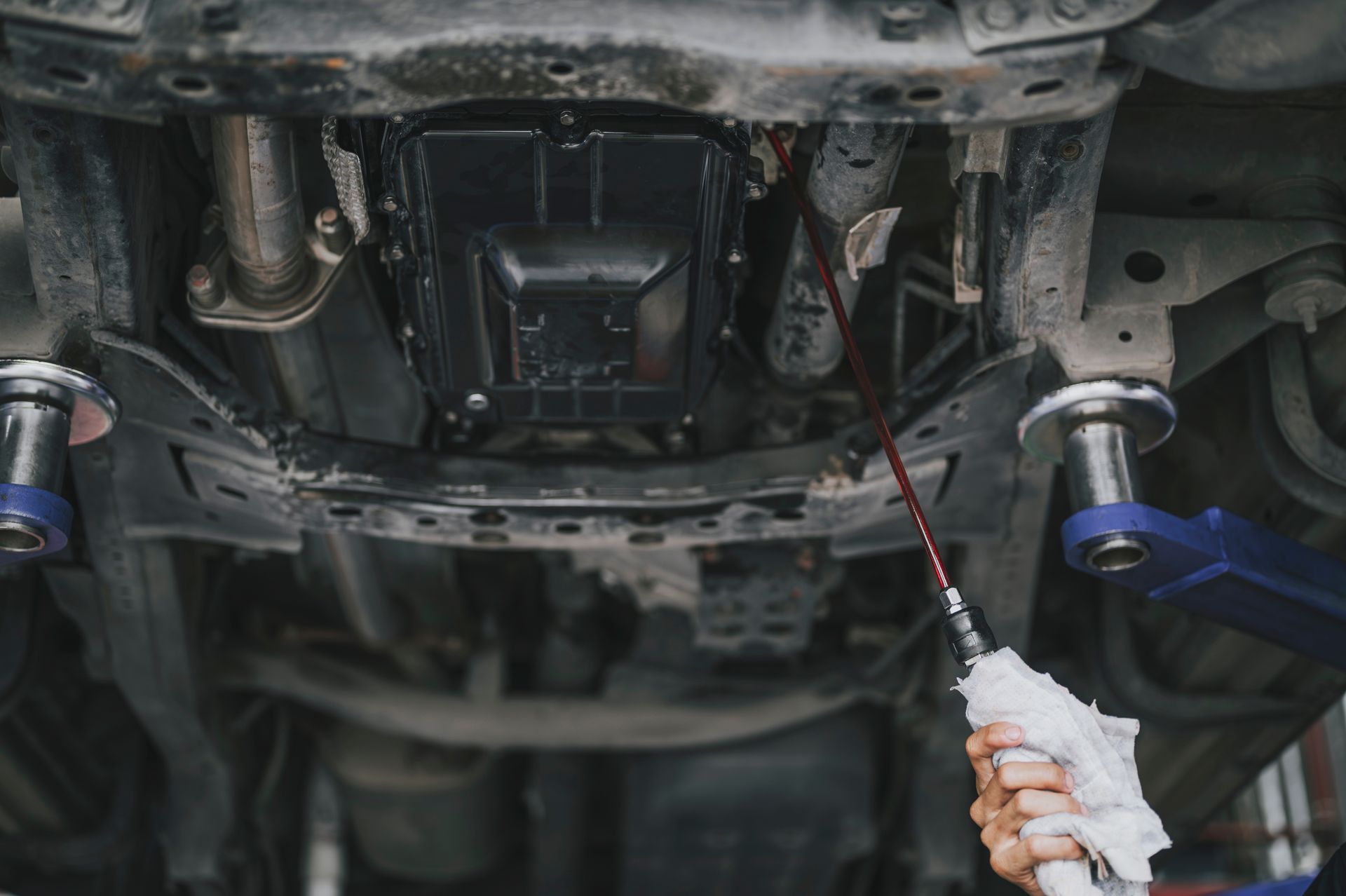
Pinnacle Automotive in Madison, TN, explains how often to change transmission fluid in modern automatics.
Learn why clearing a check engine light does not fix the cause and when to visit Pinnacle Automotive in Madison, TN for diagnostics.
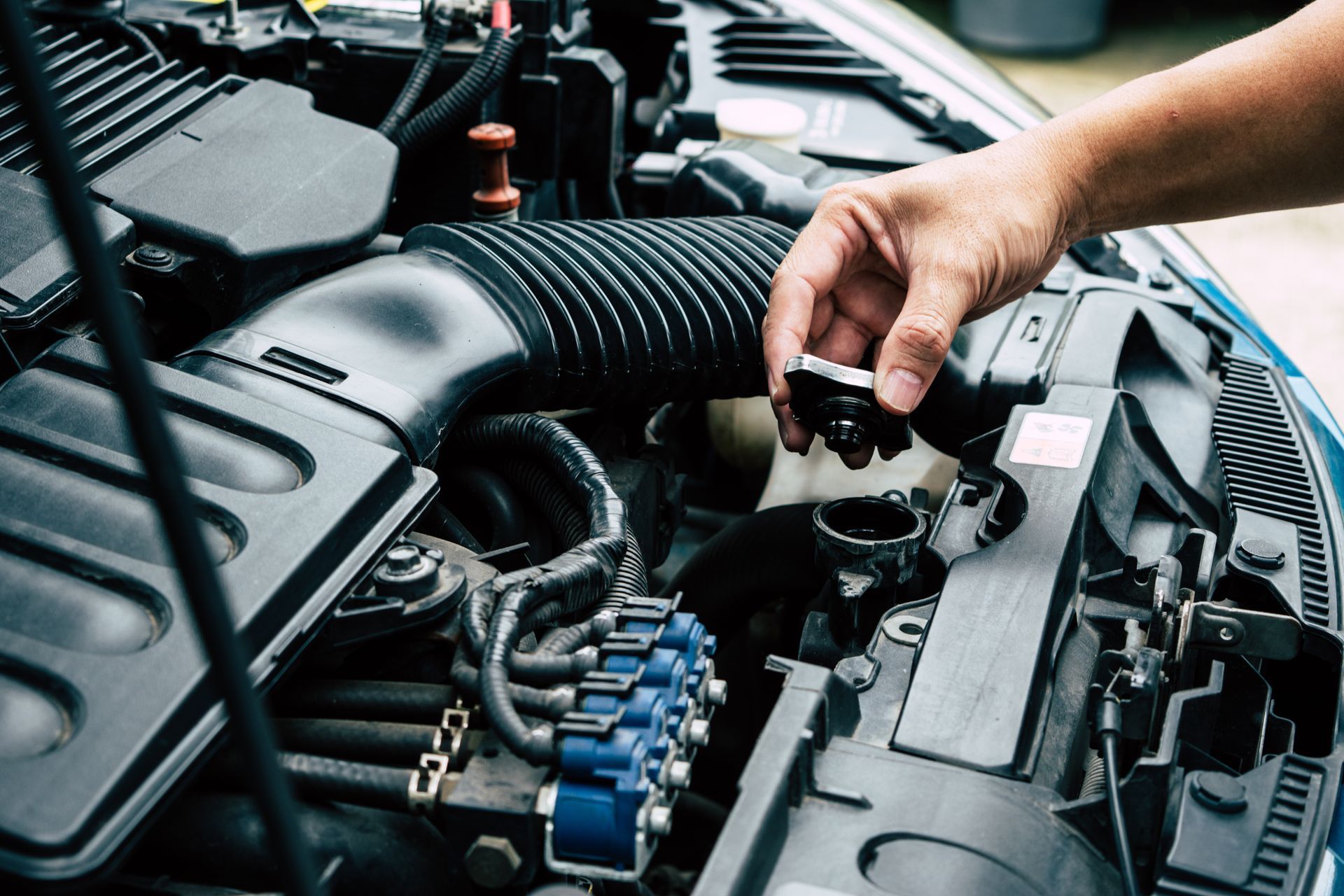
Pinnacle Automotive in Madison, TN, explains cooling system warning signs hidden in leaks, steam, and temperature spikes.

Pinnacle Automotive in Madison, TN, explains why brake service is one of the most important vehicle safety repairs.
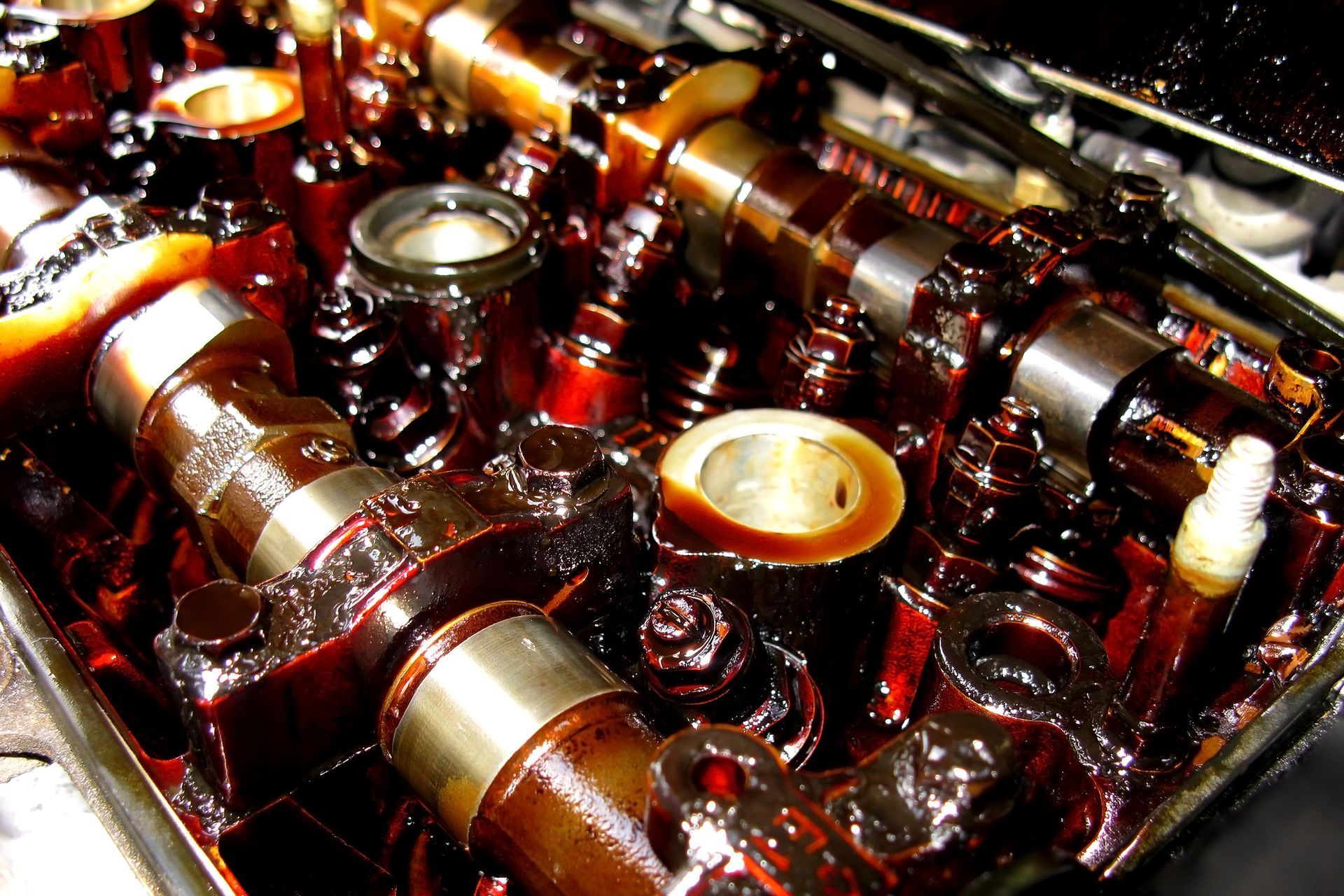
Pinnacle Automotive in Madison, TN, explains why skipping an oil change can lead to higher repair costs later.
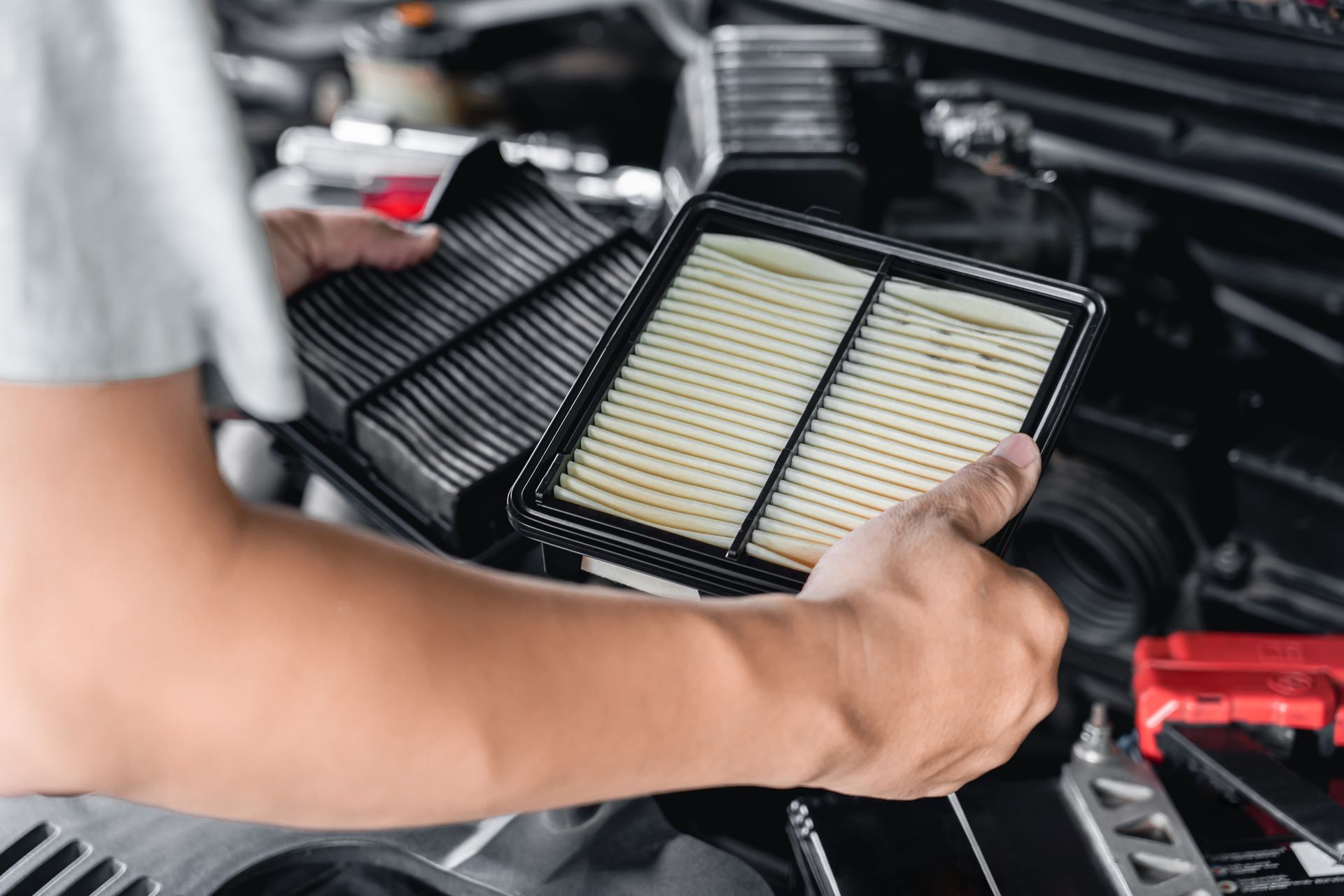
Pinnacle Automotive in Madison, TN, explains what happens when an engine air filter and regular maintenance are ignored for too long.