
An overdue oil change doesn't feel urgent to many drivers. The engine still starts, the car still gets where it needs to go, and nothing about the drive feels dramatic enough to stop the week and deal with it. That is what makes oil service easy to postpone. The damage does not begin with a loud warning. It builds quietly while the engine keeps working.
A cheap service gets expensive when it is delayed long enough.
Why Oil Is Doing More Than Drivers Realize
Engine oil has a bigger role than many people give it credit for. It does help reduce friction, but that is only part of the picture. Oil also carries heat away from moving parts, holds contaminants in suspension, helps protect internal surfaces, and keeps critical components from grinding against each other under load.
Once the oil gets too old, dirty, or broken down, it stops doing those jobs as well as it should. The engine no longer gets an even layer of protection. It keeps running, but with less help.
What Old Oil Starts Doing Inside The Engine
Fresh oil moves through the engine as it should. Old oil starts picking up fuel residue, carbon, dirt, moisture, and metal particles. Over time, it thickens, loses its protective qualities, and leaves behind more deposits than it should. Instead of helping the engine stay clean, it starts working against it.
That shift is easy to miss because the car may still sound normal. From the driver’s seat, everything can feel fine while the inside of the engine is getting dirtier with every mile.
Why Sludge Turns Into A Real Problem
One of the biggest long-term risks is sludge. Sludge is not just dirty oil. It is the heavy buildup that forms when oil stays in service too long and begins breaking down badly. Once that buildup starts collecting in narrow oil passages and around moving parts, maintaining proper lubrication becomes harder.
That is where costs start climbing. A skipped oil change is one thing. Oil passages restricted by sludge, timing components struggling with poor lubrication, or internal wear caused by neglected service are something very different. Cleaning up that damage is never as simple as doing the oil change late.
Heat And Friction Get More Expensive Fast
Engines generate heat when they run, and clean oil helps manage it. When the oil is worn out, the engine has to deal with more friction and more temperature stress at the same time. Those are two things you do not want building up together under the hood.
Parts that rely on steady lubrication start wearing faster. Bearings, camshafts, timing components, and valvetrain parts all depend on oil that can still properly protect them. Once that protection falls off, wear starts adding up in places most drivers never see until a much larger repair is needed.
Why Newer Engines Can Be Less Forgiving
A lot of people assume newer vehicles can handle delayed oil changes better because their engines are more advanced. In reality, many modern engines are pickier. Turbocharged engines, direct injection systems, and engines with tight internal tolerances depend heavily on clean oil and proper oil flow.
That means neglect catches up faster than some drivers expect. A newer vehicle can still end up in rough condition if the oil change schedule keeps getting pushed off. Low mileage does not protect the engine if the oil itself has already been left in too long.
What Drivers Tend To Notice Before Bigger Trouble Shows Up
The early clues are not always dramatic, but they are there. The engine may feel rougher at startup. Fuel economy can dip. Oil level can drop faster than expected. Some vehicles start sounding noisier during the first few seconds after the engine fires. Others end up with warning lights tied to oil pressure or timing performance once the wear has gone much further.
A few signs deserve attention right away:
- Dark, dirty oil well past the service interval
- Lower oil level between visits
- Rougher startup noise
- Reduced fuel economy
- Warning lights tied to oil pressure or engine timing
None of those should be treated like a harmless quirk.
Why Delaying A Cheap Service Becomes An Expensive Habit
Most engines are not damaged by one slightly late oil change. The real cost comes from repetition. Skip one, stretch the next, then delay another, and the engine spends a long stretch of its life working with oil that is already past its best. That pattern creates wear that no bottle of fresh oil can undo later.
Regular maintenance is what keeps a simple service from turning into timing repairs, leaks, sludge cleanup, and performance problems that never needed to happen. Oil changes are cheap. Engine repairs are not.
Get Oil Change Service In Madison, TN, With Pinnacle Automotive
If your oil change is overdue or your vehicle has been going too long between services, Pinnacle Automotive in Madison, TN, can help you get ahead of engine wear before old oil turns a basic maintenance item into a much bigger repair.
Bring it in now and take care of the service while it is still simple.

Learn why a car hood can pop open while driving, what latch problems cause it, and how to respond safely from the team at Pinnacle Automotive.
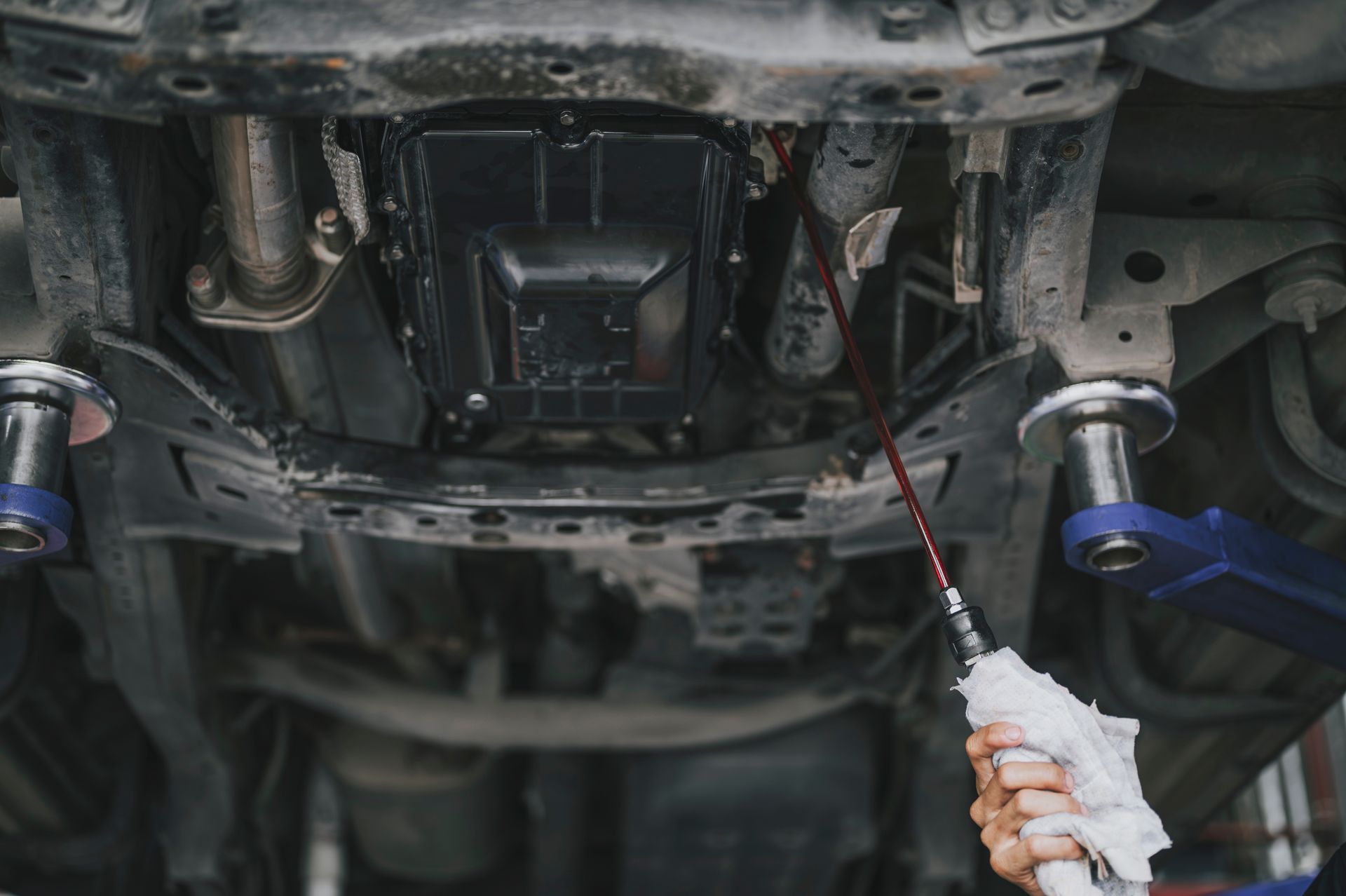
Pinnacle Automotive in Madison, TN, explains how often to change transmission fluid in modern automatics.
Learn why clearing a check engine light does not fix the cause and when to visit Pinnacle Automotive in Madison, TN for diagnostics.
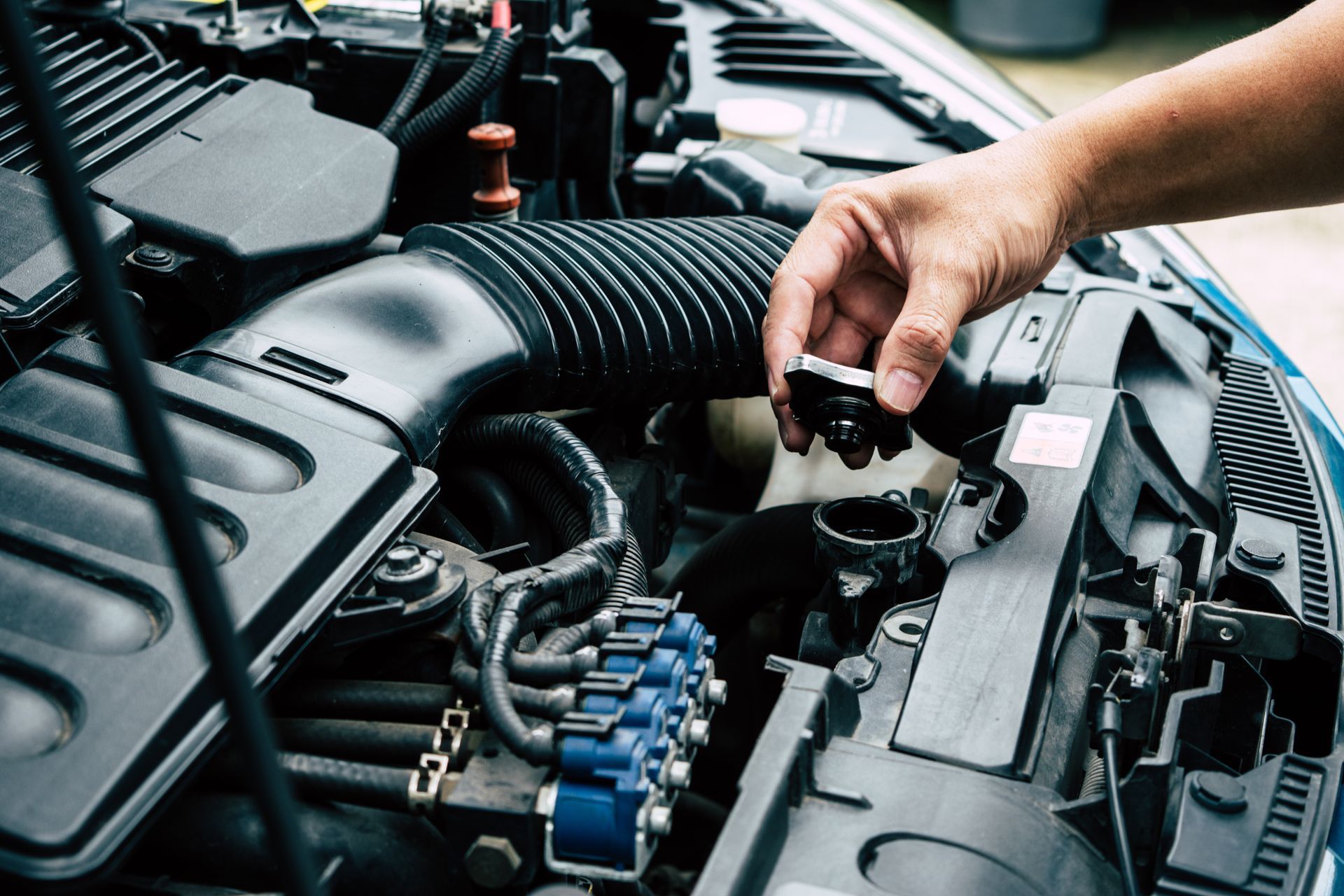
Pinnacle Automotive in Madison, TN, explains cooling system warning signs hidden in leaks, steam, and temperature spikes.

Pinnacle Automotive in Madison, TN, explains why brake service is one of the most important vehicle safety repairs.
Pinnacle Automotive in Madison, TN, explains common causes of engine stumbling at stoplights and how to fix rough idle issues.
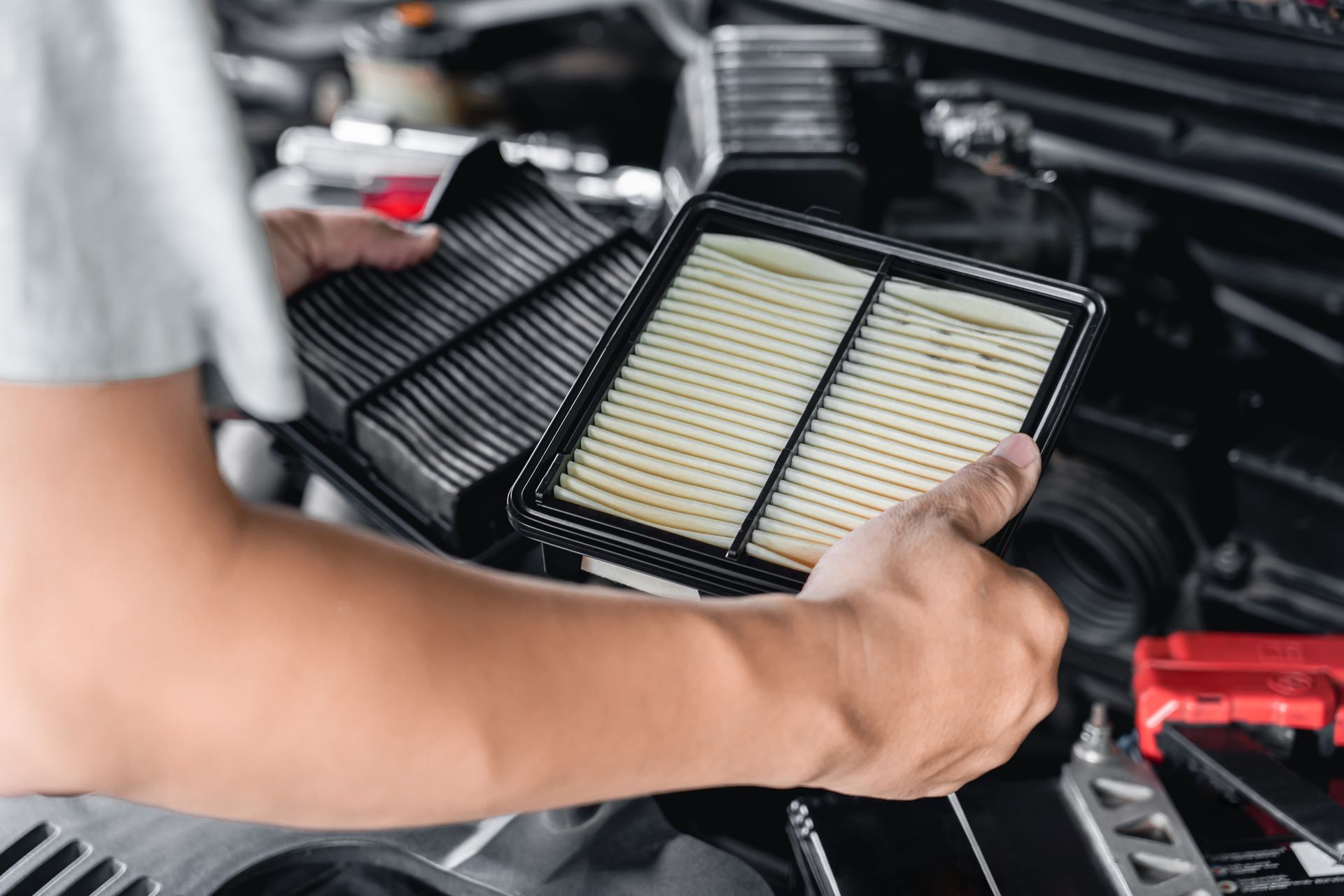
Pinnacle Automotive in Madison, TN, explains what happens when an engine air filter and regular maintenance are ignored for too long.