
Transmission fluid works harder than most drivers realize. It lubricates bearings and gears, carries heat away from internal parts, and helps the transmission apply clutches with the right hydraulic pressure. Every shift depends on that fluid doing its job correctly.
The tricky part is that transmission fluid does not have one universal replacement interval. Modern automatics vary too much for that. Some use conventional planetary gearsets, others have eight, nine, or ten speeds, and manufacturers use very different fluids and service procedures. We start with the requirements for the exact transmission instead of applying the same mileage number to every vehicle.
The Factory Schedule Is the Best Starting Point
The first place we look is the manufacturer's maintenance schedule. Some automatics have a clearly listed fluid-change interval. Others call for service only under severe operating conditions, while certain manufacturers describe the original fluid as long-life or lifetime fluid.
Lifetime does not mean the fluid stays chemically fresh forever. It means the manufacturer designed the service strategy around a certain expected operating life and set of conditions. Heat cycles, clutch material, and normal internal wear still affect the fluid over time.
At our shop, we consider mileage, age, service history, and how the vehicle is used before recommending transmission service. That gives us a much better picture than mileage alone.
Heavy Use Can Age Transmission Fluid Faster
Heat is one of the biggest enemies of automatic transmission fluid. Towing, carrying heavy loads, driving through mountains, sitting in stop-and-go traffic, and operating in high temperatures all increase the workload.
Driving conditions that deserve closer attention include:
- Frequent towing
- Heavy cargo
- Long periods of stop-and-go traffic
- Repeated mountain driving
- High outside temperatures
- Commercial or delivery use
- Extended idling
When a manufacturer publishes a severe-service schedule, these are the kinds of conditions that put a vehicle closer to that category.
Modern Transmission Fluid Is Highly Specialized
Older drivers sometimes think of automatic transmission fluid as one basic red fluid. That is not how modern transmissions work.
Different units require specific friction characteristics, viscosity, additives, and temperature performance. The wrong fluid can change shift quality and interfere with clutch operation even if the level is correct.
We verify the exact specification before servicing anything. Color is not enough, and a bottle labeled universal does not automatically make it right for every transmission. Using the correct fluid is just as important as changing it at the proper time.
Dark Fluid Does Not Automatically Mean the Transmission Is Bad
Transmission fluid usually darkens as it accumulates miles. That change alone does not mean the transmission is failing.
What concerns us more is a burnt odor, heavy debris, visible metal, or a major change in how the transmission shifts. If the vehicle has delayed engagement, slipping, harsh shifts, or shuddering, we treat that as a diagnostic problem instead of assuming a fluid change will cure it.
During an inspection, we also check for leaks and review stored transmission faults when the symptoms call for it. Fresh fluid is maintenance. It does not rebuild worn clutches or repair a failing solenoid.
Drain-and-Fill and Flush Services Are Not the Same
A drain-and-fill removes part of the old fluid and replaces it with fresh fluid. Some of the original fluid remains inside the torque converter, cooler, valve body, and internal passages.
A fluid exchange removes a larger percentage of the old fluid. Whether that procedure is appropriate depends on the transmission and the manufacturer's recommendations.
We do not automatically flush every automatic transmission. Some require a specific drain-and-fill procedure, fluid temperature, fill sequence, or scan-tool step to set the final level correctly. Certain transmissions also have a serviceable filter, while others do not.
What If the Fluid Has Never Been Changed?
This is where we slow down and look at the whole situation. A transmission with very high mileage, unknown history, and obvious shift problems should not be treated the same as a healthy unit that is simply overdue for regular maintenance.
If the transmission shifts properly and service is appropriate for the design, replacing old fluid can still be worthwhile. If it is already slipping or showing internal problems, we want to understand those faults first.
The important point is not to wait until the transmission starts acting badly. Scheduled fluid service should happen before wear becomes obvious from the driver's seat.
Keep a Record of Transmission Service
Transmission service intervals can be long enough that owners forget when the last one was done. Keeping a record of the mileage and fluid used makes the next decision much easier.
It also helps us see whether the vehicle is following the factory schedule or spending enough time under heavy use to justify a different plan. Once we know the history, transmission maintenance becomes much less of a guessing exercise.
Get Transmission Fluid Service In Madison, TN, With Pinnacle Automotive
If you are not sure when your automatic transmission fluid was last changed, Pinnacle Automotive in Madison, TN, can review the service history, check the transmission's condition, and determine the correct fluid and procedure for your vehicle.
Learn why clearing a check engine light does not fix the cause and when to visit Pinnacle Automotive in Madison, TN for diagnostics.
Pinnacle Automotive in Madison, TN, explains cooling system warning signs hidden in leaks, steam, and temperature spikes.

Pinnacle Automotive in Madison, TN, explains why brake service is one of the most important vehicle safety repairs.
Pinnacle Automotive in Madison, TN, explains common causes of engine stumbling at stoplights and how to fix rough idle issues.
Pinnacle Automotive in Madison, TN, explains why skipping an oil change can lead to higher repair costs later.
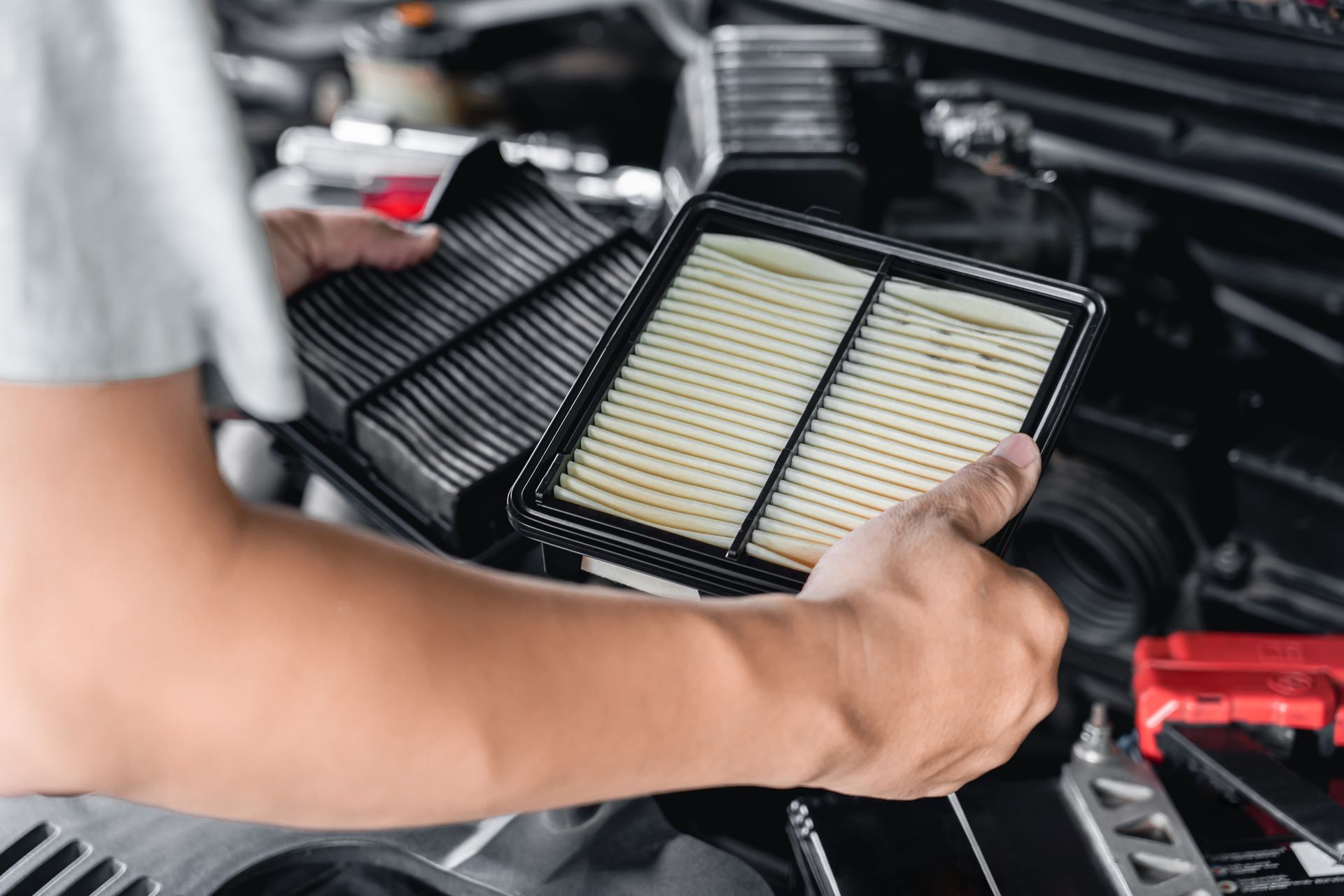
Pinnacle Automotive in Madison, TN, explains what happens when an engine air filter and regular maintenance are ignored for too long.