
A check engine light has a way of making drivers uneasy, especially when the car still seems to run normally. It is easy to understand why someone might connect a small scanner, erase the code, and hope the problem is gone. The light disappears, the dashboard looks normal again, and for a little while it can feel like the issue has been handled.
At our shop, we see this situation regularly. A customer clears a code at home or has it erased somewhere else, only for the check engine light to return a few days later. Sometimes it comes back within a few miles. In other cases, the car has to complete several drive cycles before the computer notices the problem again.
Clearing a code only removes stored information from the vehicle computer. It does not repair the sensor, leak, wiring fault, ignition problem, or mechanical issue that caused the warning in the first place. Understanding the difference between a code and a diagnosis can save you from wasted money and a much larger repair later.
What A Check Engine Code Actually Tells You
When the vehicle computer detects a reading or operating condition outside its expected range, it can store a diagnostic trouble code. The code points toward the system where the problem was noticed.
For example, a code may indicate a misfire, an oxygen sensor reading, an emissions leak, or a fuel mixture concern. It does not always identify the exact failed part.
A code related to an oxygen sensor does not automatically mean the oxygen sensor needs replacement. The sensor may be reporting a problem caused by an exhaust leak, vacuum leak, fuel delivery issue, damaged wiring, or another engine condition. The code provides a direction for testing rather than a complete repair answer.
Clearing The Code Resets The Warning, Not The Cause
When a code is erased, the vehicle computer forgets the stored fault information and turns off the warning light. The engine, emissions system, and electrical components remain exactly as they were before the reset.
If a loose connection is still present, it remains loose. If the engine is misfiring, the misfire continues. If a valve is sticking or a sensor is sending incorrect information, clearing the computer does nothing to correct either problem.
The warning light may stay off temporarily because the vehicle needs time to run its self-checks again. Once the computer sees the same abnormal condition enough times, it stores another code and turns the light back on.
The Light May Not Return Immediately
Many drivers assume the repair worked because the check engine light stays off after the code is cleared. The delay can be misleading.
Some faults are detected as soon as the engine starts. Others only appear under certain conditions, such as highway speed, cold starts, heavy acceleration, warm engine operation, or a specific fuel level.
The vehicle may need several trips before the computer reruns the affected test. A small evaporative emissions leak, for example, may only be checked when temperature, fuel level, and driving conditions are within a certain range.
A warning light that stays off for a day does not prove the underlying problem disappeared. It may only mean the computer has not had the right opportunity to detect it again.
Erasing Codes Can Remove Valuable Diagnostic Information
Diagnostic trouble codes are only one part of the information stored when a fault occurs. The vehicle may also save freeze-frame data, which records engine conditions at the moment the problem was detected.
That information can include engine speed, coolant temperature, vehicle speed, fuel trim, load, and other useful readings. A technician can use those details to understand when the fault happened and what the vehicle was doing at the time.
Clearing codes can erase freeze-frame data and reset other useful information. When the vehicle reaches our shop, the original clues may be gone, especially if the problem is intermittent.
It does not make diagnosis impossible, but it can make the process more difficult and may require waiting for the problem to happen again before accurate testing can continue.
Readiness Monitors Are Reset Too
The vehicle computer runs a series of emissions checks called readiness monitors. These tests evaluate systems such as the catalytic converter, oxygen sensors, fuel system, and evaporative emissions controls.
Clearing trouble codes usually resets those monitors to incomplete. The vehicle then needs to be driven under specific conditions before the tests can run again.
This creates a common problem during emissions inspections. A driver erases the check engine light shortly before testing, only to fail or be turned away because the monitors are not ready.
Driving until the monitors complete may also cause the check engine light to return if the original problem remains. Clearing the light shortly before an inspection rarely provides the easy solution people expect.
A Code Reader Is Not The Same As A Full Diagnosis
Basic code readers are useful tools. They can tell you which code is stored and help you understand which system needs attention. They cannot test every component or determine the root cause on their own.
Proper diagnosis may involve checking live sensor data, inspecting wiring, measuring fuel pressure, testing for vacuum leaks, examining ignition components, or using a smoke machine to locate an emissions leak.
At our shop, we combine the code with the vehicle’s symptoms, maintenance history, test results, and physical condition. Replacing the part named in a code description without testing can lead to unnecessary expense, especially when another problem caused the reading.
Ignoring A Misfire Code Can Damage The Catalytic Converter
Some check engine codes are more urgent than others. A flashing check engine light often indicates an active misfire that can send unburned fuel into the exhaust.
The catalytic converter may overheat as it tries to process that fuel. Continued driving can damage the converter and turn an ignition repair into a much more expensive exhaust system repair.
Erasing a misfire code does not stop the misfire. It only removes the warning until the computer detects the condition again. If the light is flashing, reduce driving and have the vehicle inspected as soon as possible.
Small Problems Can Grow While The Light Is Off
A vehicle may continue driving with a minor leak, weak sensor, or early ignition problem. Clearing the code can create a false sense of security while the issue slowly gets worse.
An engine running too rich can waste fuel and damage emissions components. An engine running too lean may hesitate, overheat, or misfire. A faulty cooling system sensor can affect fuel delivery and engine performance.
The check engine light exists because the vehicle has detected something outside normal operation. Hiding the warning does not protect the engine from the condition that triggered it.
Disconnecting The Battery Is Not A Repair Either
Some drivers disconnect the battery to turn off the check engine light. The result is similar to clearing codes with a scanner.
Disconnecting the battery may erase trouble codes, reset fuel adjustments, clear radio settings, and cause readiness monitors to start over. It may also create new inconveniences in vehicles that require window, steering, transmission, or security system relearning procedures. The original fault remains. Once the computer detects it again, the warning light usually returns.
When A Check Engine Light May Turn Off On Its Own
Sometimes the vehicle computer stops seeing a fault and turns the light off after several successful trips. A loose gas cap that has been tightened is a common example.
The code may remain stored in the computer as history even after the light goes out. That record can still help a technician understand what happened.
If the light turns off but the vehicle continues running poorly, using extra fuel, or showing unusual symptoms, the issue still deserves attention. The absence of a warning light does not guarantee that every system is operating correctly.
What To Do When The Light Comes On
Start by noticing how the vehicle behaves. A steady light with no major symptoms may allow you to schedule an inspection soon. A flashing light, severe shaking, loss of power, overheating, or strong fuel smell calls for more immediate action.
Avoid clearing the code before the vehicle is inspected when possible. Leaving the information stored gives the technician more data to work with.
A proper diagnostic process may include:
- Reading current, pending, and history codes
- Reviewing freeze-frame information
- Checking live sensor data
- Inspecting wiring and connectors
- Testing the system linked to the code
- Confirming the repair with a road test
The goal is not simply to turn the light off. The goal is to correct the condition so the light stays off because the vehicle is operating properly again.
Fix The Problem Instead Of Hiding The Warning
Erasing a check engine light code can make the dashboard look better, but it does not repair the vehicle. The computer will continue monitoring the system, and the warning will likely return once the fault is detected again.
If your check engine light is on or keeps returning after being cleared, please do not hesitate to visit
Pinnacle Automotive in Madison, TN. We can scan the system, review the stored data, test the affected components, and identify the real cause before a smaller problem becomes a more expensive repair.

Learn why a car hood can pop open while driving, what latch problems cause it, and how to respond safely from the team at Pinnacle Automotive.
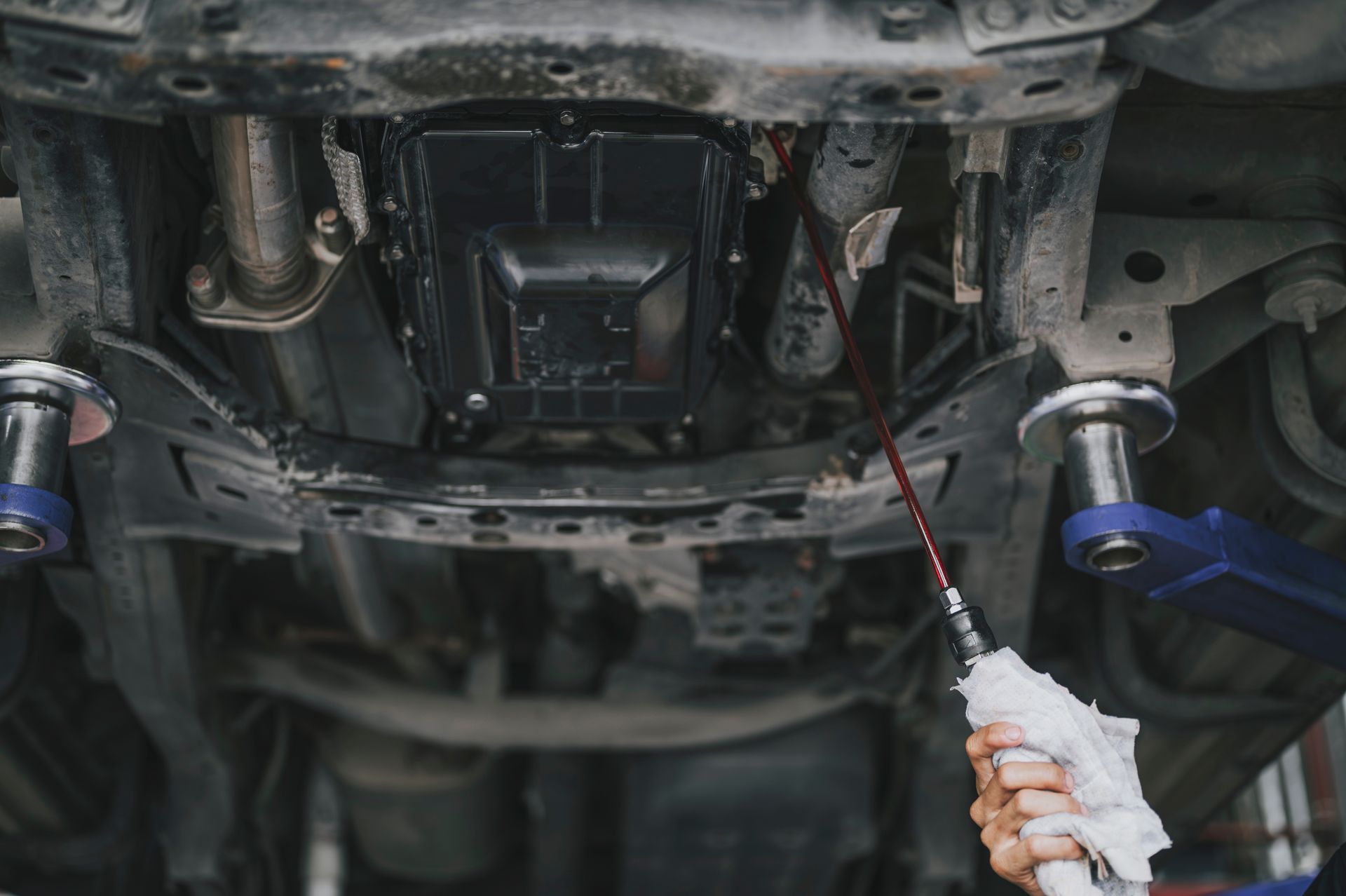
Pinnacle Automotive in Madison, TN, explains how often to change transmission fluid in modern automatics.

Pinnacle Automotive in Madison, TN, explains cooling system warning signs hidden in leaks, steam, and temperature spikes.

Pinnacle Automotive in Madison, TN, explains why brake service is one of the most important vehicle safety repairs.
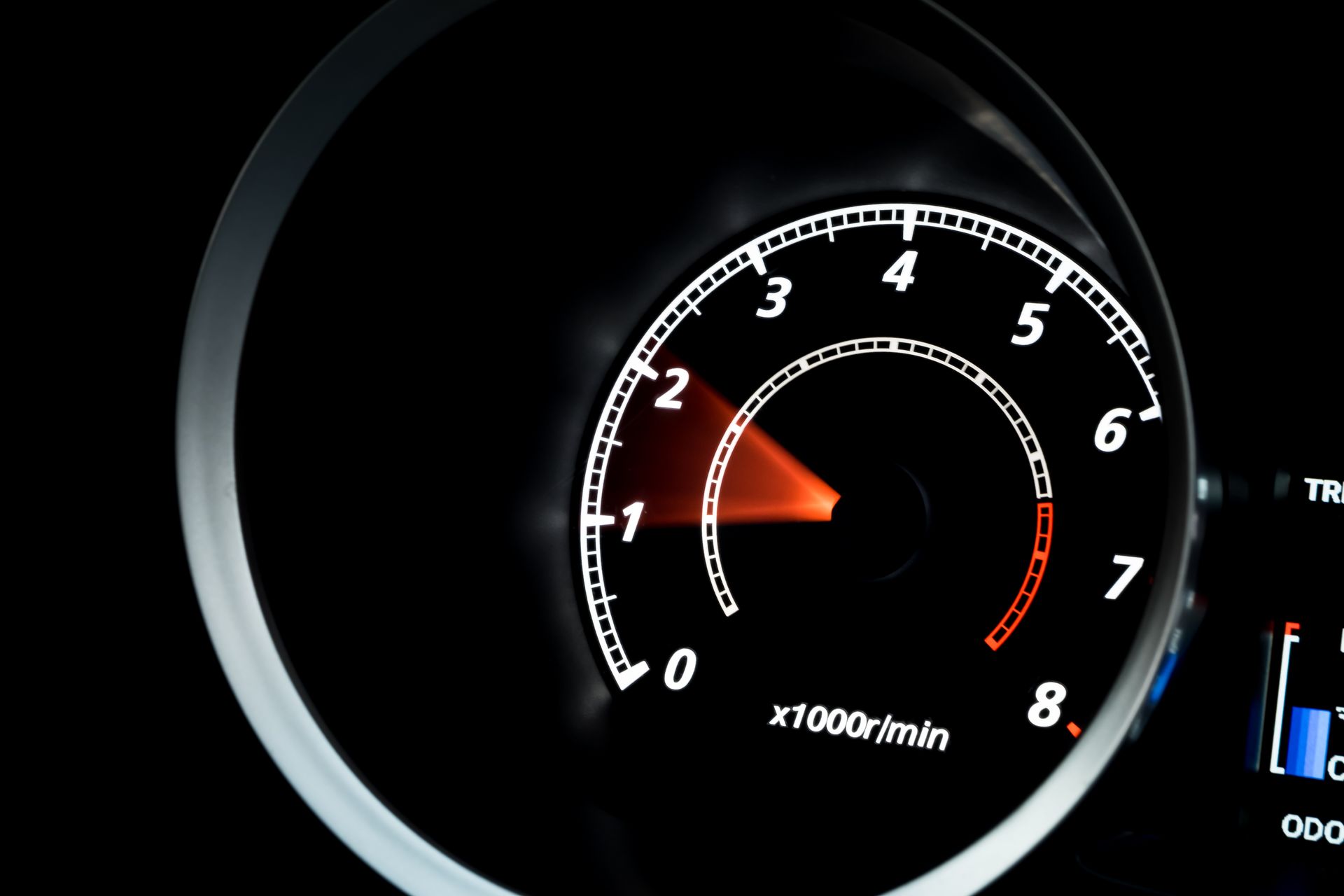
Pinnacle Automotive in Madison, TN, explains common causes of engine stumbling at stoplights and how to fix rough idle issues.
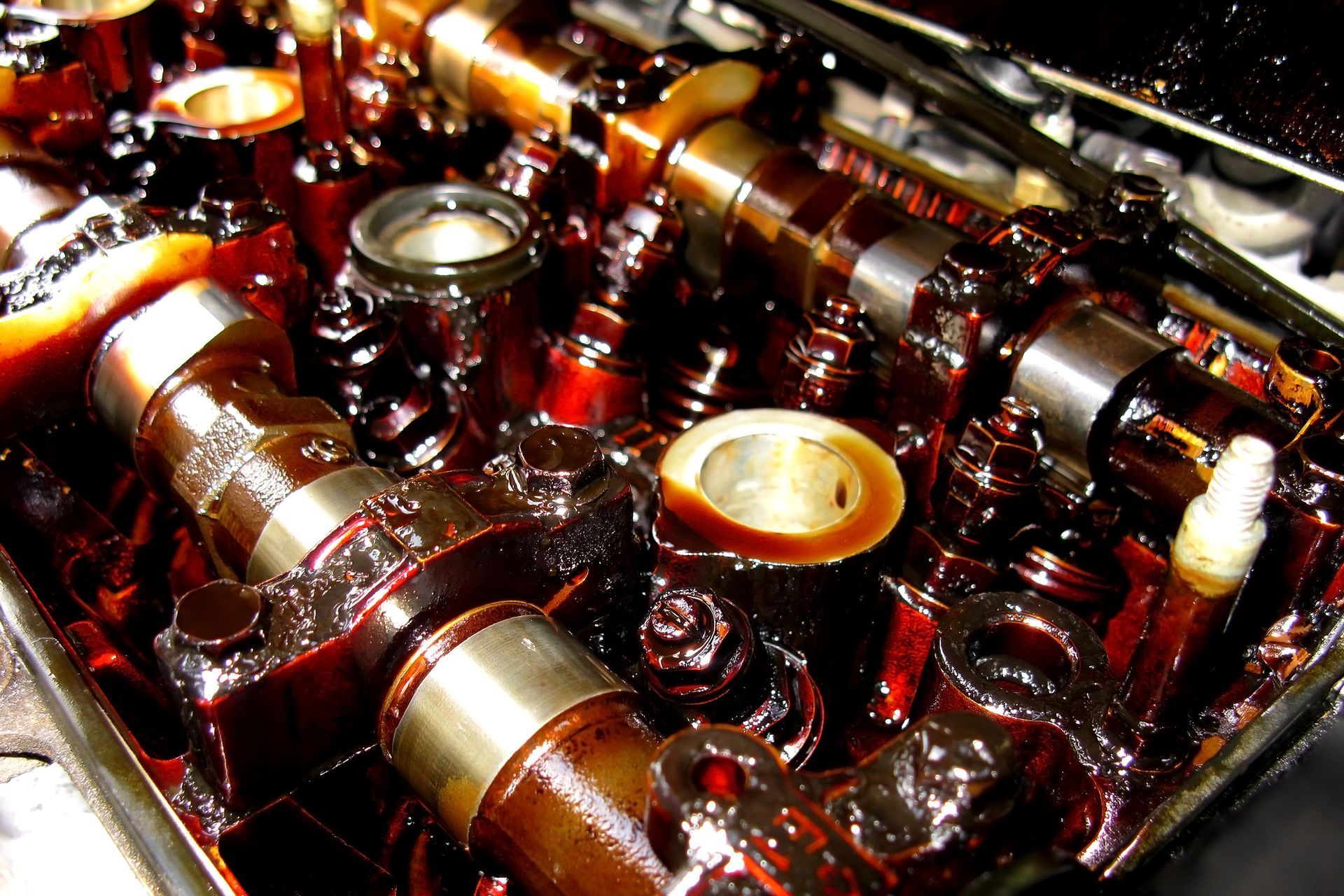
Pinnacle Automotive in Madison, TN, explains why skipping an oil change can lead to higher repair costs later.
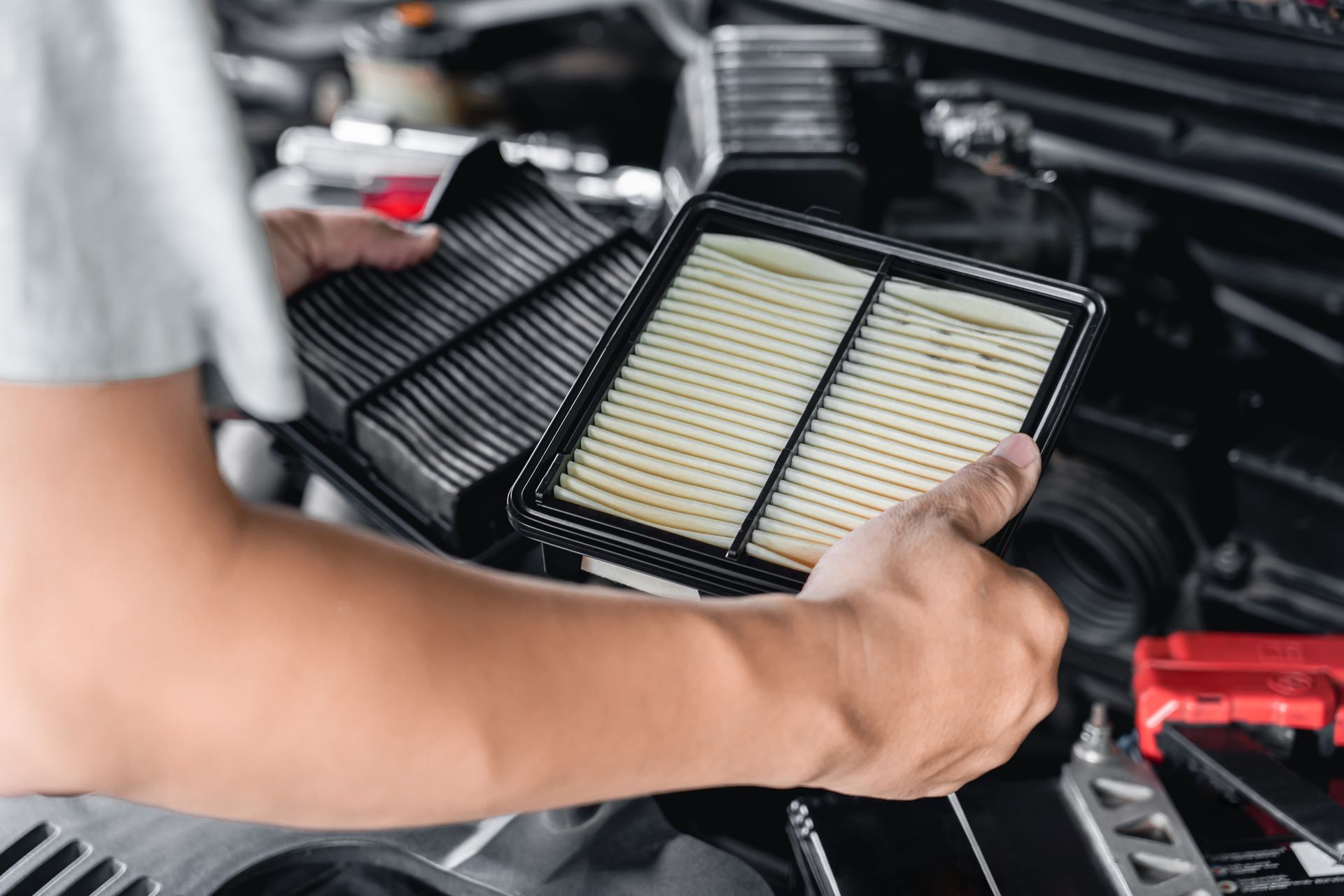
Pinnacle Automotive in Madison, TN, explains what happens when an engine air filter and regular maintenance are ignored for too long.